
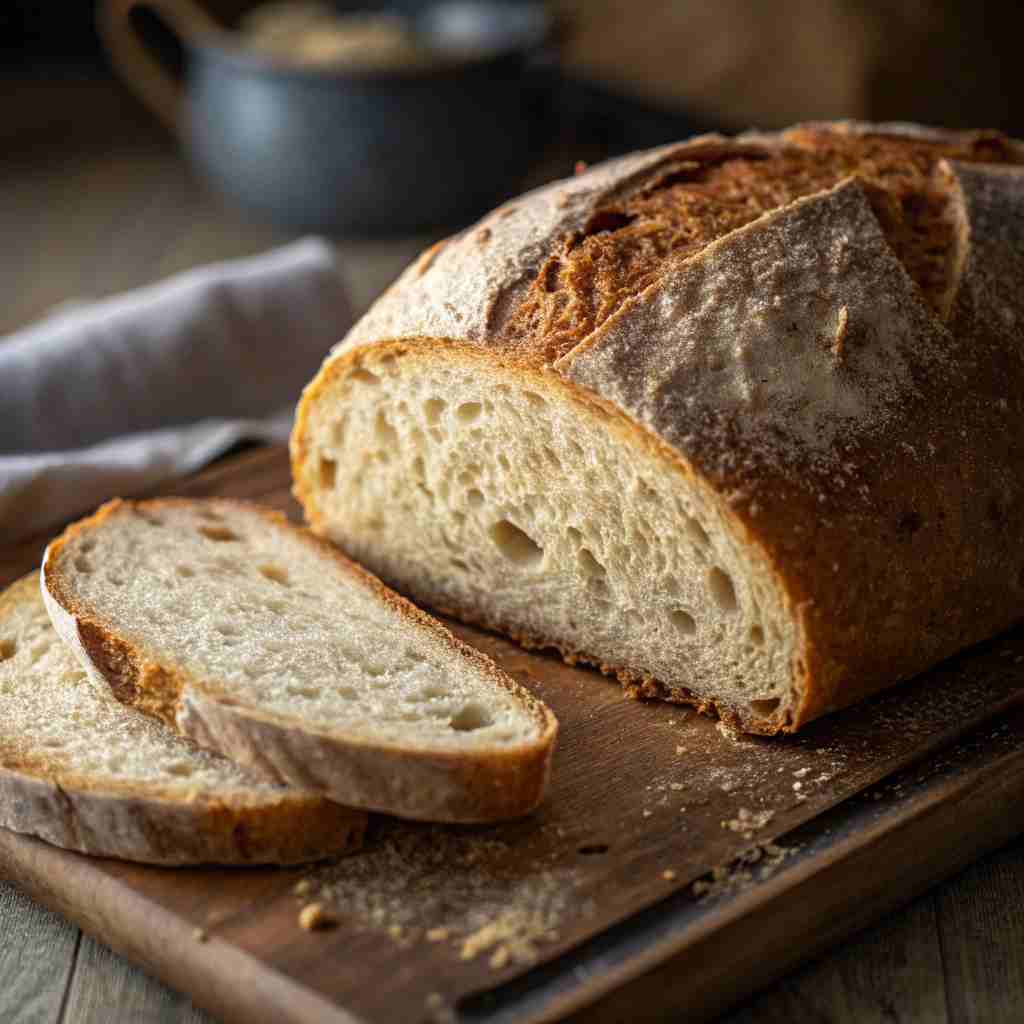
Craving that classic sourdough tang but need it gluten-free? This Gluten Free Sourdough Bread recipe delivers an artisan-style loaf with a delightfully chewy crust and that signature sour flavor you love. Perfect for sandwiches, toast, or simply enjoying with a smear of butter, this recipe proves that gluten-free baking can be just as satisfying as traditional sourdough. Stop searching, this is the recipe you need for a delicious and authentic gluten-free sourdough experience!
What is Gluten Free Sourdough Bread?
Gluten-free sourdough bread is a variation of traditional sourdough bread that uses gluten-free flours instead of wheat flour. This means it’s safe for people with celiac disease or gluten intolerance. The magic still comes from the sourdough starter – a live culture of wild yeasts and bacteria that ferment the flour, giving the bread its characteristic tangy flavor and slightly chewy texture. Creating a gluten-free version requires a blend of gluten-free flours like rice flour, tapioca starch, and potato starch to mimic the qualities of gluten. It’s a labor of love, but the reward is a delicious, crusty loaf that anyone can enjoy. Ready to experience the joy of homemade gluten-free sourdough? Let’s get baking!
Key Ingredients for Gluten Free Sourdough Bread:
- Gluten-Free Sourdough Starter (100g): A mature and active gluten-free sourdough starter is the heart of this recipe. Make sure it’s bubbly and doubles in size after feeding.
- Warm Water (320g): Use lukewarm water (around 85-90°F/29-32°C) to activate the starter and help the dough come together. You may need to adjust the water depending on your flour blend.
- Gluten-Free All-Purpose Flour Blend (350g): A good quality gluten-free all-purpose flour blend is essential. I recommend using a blend that contains xanthan gum. If your blend doesn’t contain xanthan gum, add 4g of xanthan gum to the recipe. I will provide a recommended blend below:
- 150g Brown Rice Flour
- 75g White Rice Flour
- 75g Tapioca Starch
- 50g Potato Starch
- Olive Oil (2 tablespoons): Adds moisture and flavor to the dough.
- Salt (8g): Enhances the flavor and controls the fermentation process.
- Psyllium Husk Powder (10g): This acts as a binder to create structure and elasticity, mimicking the role of gluten. Be sure it is PURE psyllium husk powder, not a blend with other ingredients.
How to Make Gluten Free Sourdough Bread:
This recipe might seem intimidating, but don’t let the sourdough part scare you! It’s surprisingly easy to achieve a wonderfully tangy and satisfying loaf of gluten-free sourdough bread. The key is a good starter and patient proofing. The psyllium husk powder helps create the necessary structure, giving you a lovely, chewy texture. Preparation time, including resting and baking, amounts to approximately 10 hours. Don’t worry, most of that time is hands-off! Let’s get started.
Step-by-Step Instructions:
Prepare the Dough: In a large bowl (or the bowl of your stand mixer), combine the warm water and active gluten-free sourdough starter. Whisk until the starter is dissolved.
Combine Dry Ingredients: In a separate bowl, whisk together the gluten-free all-purpose flour blend, psyllium husk powder, and salt.
Mix the Dough: Add the dry ingredients to the wet ingredients and mix until a shaggy dough forms. Add the olive oil and continue mixing. The dough will be very wet and sticky – this is normal.
First Rise (Bulk Fermentation): Cover the bowl with plastic wrap or a damp towel and let it rest at room temperature for 4-6 hours. The dough should increase in size and show signs of activity (bubbles). The actual time will depend on the temperature of your kitchen. If it’s warm, it will rise faster.
Shape the Dough: Gently turn the dough out onto a lightly floured surface (use a gluten-free flour blend). Gently shape it into a round or oval loaf. Be very careful not to degas the dough too much. Because it is gluten free, it will not be elastic.
Second Rise (Proofing): Line a banneton basket or a bowl with a clean kitchen towel and dust generously with gluten-free flour. Carefully place the shaped dough into the prepared basket, seam-side up. Cover with plastic wrap or a damp towel and refrigerate for 12-24 hours. This slow, cold proofing develops the flavor and texture of the bread.
Preheat the Oven: Preheat your oven to 450°F (232°C) with a Dutch oven inside. The Dutch oven needs to be very hot to create a steamy environment for baking. This is crucial for a good crust. I always preheat the dutch oven for at least 45 minutes!
Score the Dough: Carefully remove the hot Dutch oven from the oven. Remove the bread dough from the banneton, and place very carefully into the preheated dutch oven. Score the top of the dough with a sharp knife or lame. This allows the bread to expand properly during baking. You may want to use parchment paper to remove the bread from the banneton basket and place it into the dutch oven.
Bake: Cover the Dutch oven and bake for 25 minutes. Then, remove the lid and bake for another 20-25 minutes, or until the crust is deeply golden brown and the internal temperature reaches 210-215°F (99-102°C).
Cool Completely: Transfer the baked bread to a wire rack and let it cool completely before slicing and enjoying. This is important, as the bread continues to cook internally as it cools. Resisting the urge to cut into it while hot is crucial to having a good texture.
Why You’ll Love This Gluten Free Sourdough Bread:
The main highlight is the incredible taste – a truly authentic sourdough tang you wouldn’t believe is gluten-free. Making it at home is a significant cost-saver compared to buying expensive gluten-free loaves at the store, and you have complete control over the ingredients. You can get creative with toppings! This bread is delicious brushed with garlic herb butter before baking, or with the addition of everything bagel seasoning to the dough before baking.
If you enjoy bread baking, you might also like my gluten-free sandwich bread recipe. Give both a try and experience the joy of homemade gluten-free baking! Ready to bake a loaf that will wow your friends and family? Let’s get started!
What to Serve Gluten Free Sourdough Bread With:
This Gluten Free Sourdough Bread is incredibly versatile! Enjoy it:
- With Soup: Perfect for dipping into creamy tomato soup or hearty stew.
- As Toast: Top with avocado, eggs, nut butter, or your favorite jam.
- For Sandwiches: Makes a fantastic base for gourmet sandwiches.
- With Cheese: Pair with a sharp cheddar, brie, or goat cheese.
- As Bruschetta: Top with fresh tomatoes, basil, and balsamic glaze.
Top Tips for Perfecting Gluten Free Sourdough Bread:
- Starter Activity is Key: Make sure your gluten-free sourdough starter is very active and bubbly before using it in the recipe. If it’s not, feed it regularly for a few days until it doubles in size within 4-8 hours after feeding.
- Use a Scale: Baking is a science, and gluten-free baking even more so! Use a kitchen scale to measure your ingredients accurately. This is especially crucial for gluten-free flours and psyllium husk powder.
- Don’t Overmix: Overmixing can make the dough tough. Mix just until the ingredients are combined.
- Adjust Hydration: Gluten-free flours can vary in their absorbency. If the dough seems too dry, add a tablespoon of water at a time until it reaches a sticky, but manageable consistency.
- The Right Flour Blend: Experiment with different gluten-free flour blends to find one you like. Some blends work better than others in sourdough bread.
- Patience is a Virtue: Gluten-free sourdough requires patience. Don’t rush the fermentation or proofing process.
Have confidence that through patience you will be rewarded. - Cool Completely: Resist the urge to slice into the bread while it’s still warm. Let it cool completely on a wire rack to allow the crumb to set properly.
Health Benefits of Gluten Free Sourdough Bread:
Gluten-free sourdough bread offers several health benefits, especially for those with gluten sensitivities or celiac disease. The fermentation process breaks down complex carbohydrates, making the bread easier to digest and improving nutrient absorption. This can lead to better gut health. The long fermentation process also lowers the glycemic index of the bread compared to traditional wheat bread, potentially reducing blood sugar spikes. It provides essential nutrients like fiber, vitamins, and minerals, contributing to overall well-being. Finally, it’s a great source of prebiotics, which feed beneficial gut bacteria.
Storing and Reheating Tips:
- Storing: Store the cooled bread in an airtight container at room temperature for up to 3 days. For longer storage, slice the bread and freeze it in freezer-safe bags for up to 2 months. Freezing the bread already sliced makes it easier to thaw individual slices.
- Reheating: To reheat, thaw frozen slices at room temperature or in the microwave. You can also toast the slices for a crispy texture. To refresh a whole loaf or larger piece of bread, wrap it in foil and bake at 350°F (175°C) for 10-15 minutes. If you have sliced bread, consider wrapping several slices in a damp paper towel and then microwaving it for 15-30 seconds. This restores moisture.
Final Thoughts:
Making your own Gluten Free Sourdough Bread may seem like a challenge, but the rewarding aroma and delicious taste of homemade sourdough are well worth the effort. With a good starter, the right ingredients, and a some patience, you can enjoy a crusty, tangy loaf that suits your dietary needs and satisfies your sourdough cravings. Enjoy!
Read also :
- Slow Cooker Chicken Korma Recipe
- Slow Cooker Cream Cheese Crack Chicken Chili
- Garlic Butter Beef Bites with Potatoes
- Easy Slow Cooker Satay Chicken
- Slow Cooker Cowboy Casserole
- Slow Cooker Chicken Shawarma
- More in Pinterest
Gluten Free Sourdough Bread FAQs:
Q: Can I use a different gluten-free flour blend?
A: Yes, you can experiment with different gluten-free flour blends. Just be aware that the results may vary. Look for blends that are designed for bread making and contain xanthan gum (or add it separately).
Q: My dough is too wet. What should I do?
A: Gluten-free dough is naturally wetter than wheat dough. Unless it looks like soup, this is very normal. You can sprinkle some gluten-free flour on your hands and on the surface to make it easier to handle.
Q: My bread didn’t rise very much. What went wrong?
A: This could be due to several factors: Your starter might not have been active enough, your kitchen temperature was too cold, or you didn’t proof the dough long enough. Try proofing in a warmer place or giving the dough more time to rise.
Q: Can I make this recipe without psyllium husk powder?
A: Psyllium husk powder is essential for this recipe, as it acts as a binder and provides structure that’s typically provided by gluten. Without it, the bread will likely be flat and crumbly.
Q: How do I keep my crust from getting too dark?
A: If the crust is getting too dark during baking, you can tent the bread with foil for the last portion of the baking time. This will help to prevent it from burning.
Q: My bread is gummy inside. Why?
A: This is often caused by not letting the bread cool completely before slicing. Be sure to let it cool thoroughly on a wire rack for a few hours before cutting into it.